BlasTek

Industrial paint vs. coating vs. protective system on structural steel

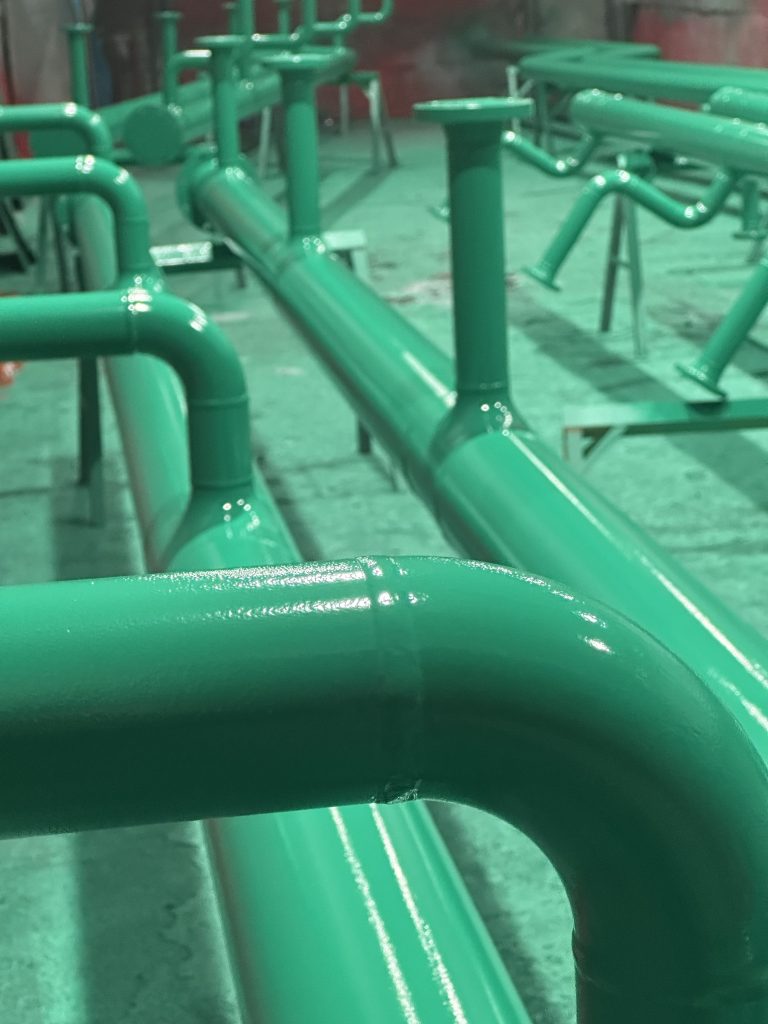
Paint, Coating, or Protective System? What Each Term Actually Means on an Industrial Job

In an industrial job, calling something “paint” can mean a lot more, or a lot less, than you think. A maintenance supervisor may ask for paint, an engineer may specify a coating, and a project specification may require a multi-coat protective system. Those terms are often used interchangeably, but they can describe very different materials,

Paint, Coating, or Protective System? What Each Term Actually Means on an Industrial Job Read More »

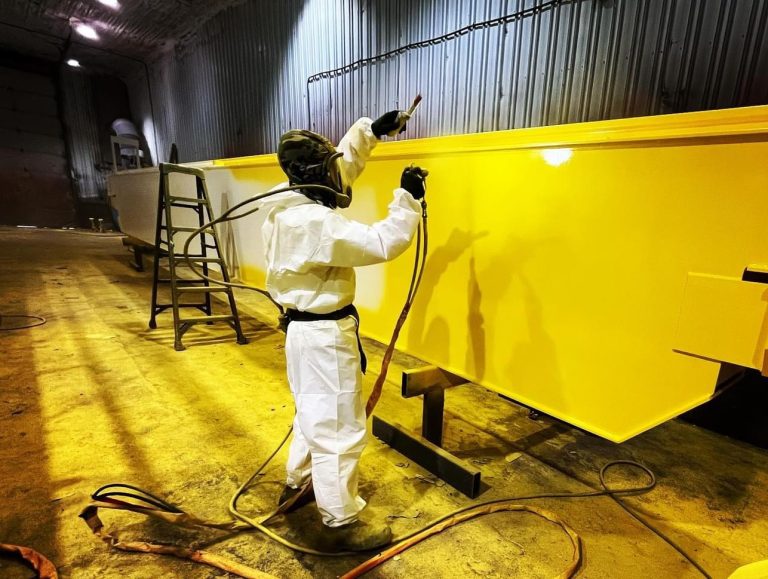
How to Choose the Right Industrial Paint System for Your Facility

How to Choose the Right Industrial Paint System for Your Facility

Most coating failures don’t start with the paint. They start months earlier, when someone compares the price per gallon of two products that were never designed for the same job. Industrial coating isn’t a single product. It’s a system: a primer, one or more intermediate coats, and a topcoat, each applied at a specified dry

How to Choose the Right Industrial Paint System for Your Facility Read More »

_Sandblasting BlasTek

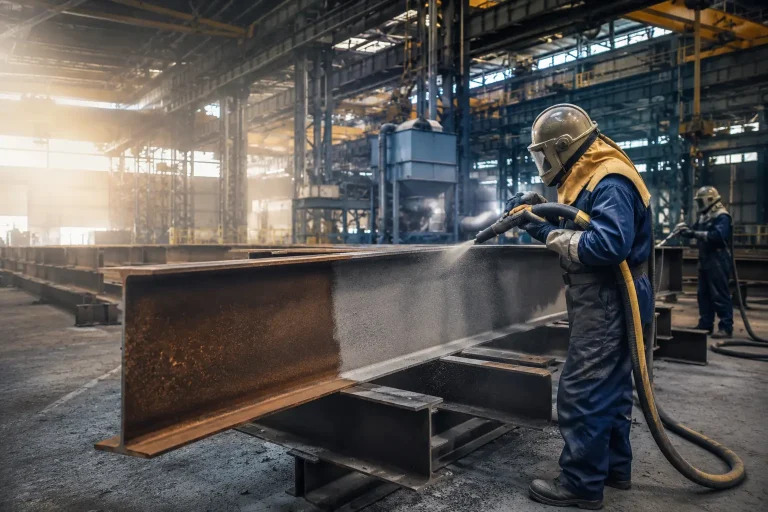
Dry Ice Blasting vs. Sandblasting: Which Method Does Your Facility Need?

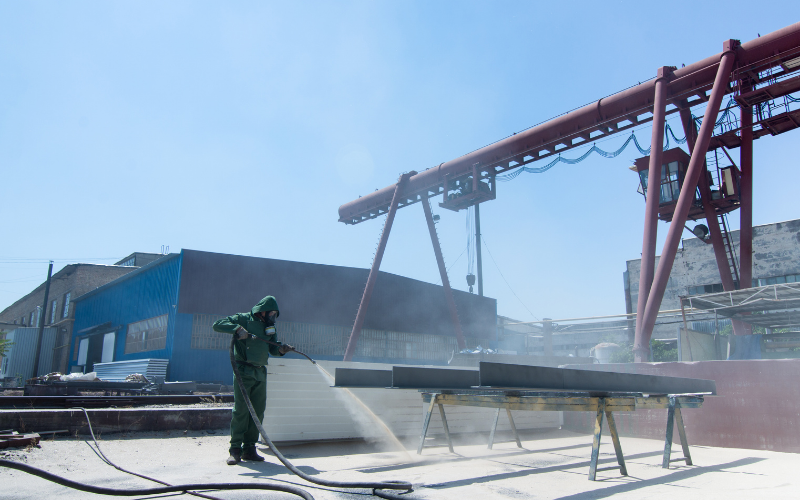
Facility managers ask us this question all the time, but it starts with a misconception: dry ice blasting and sandblasting are not two competing ways to do the same job. They are different processes designed for different purposes. Choosing between them is less about which method is “better” and more about what you need to

Dry Ice Blasting vs. Sandblasting: Which Method Does Your Facility Need? Read More »

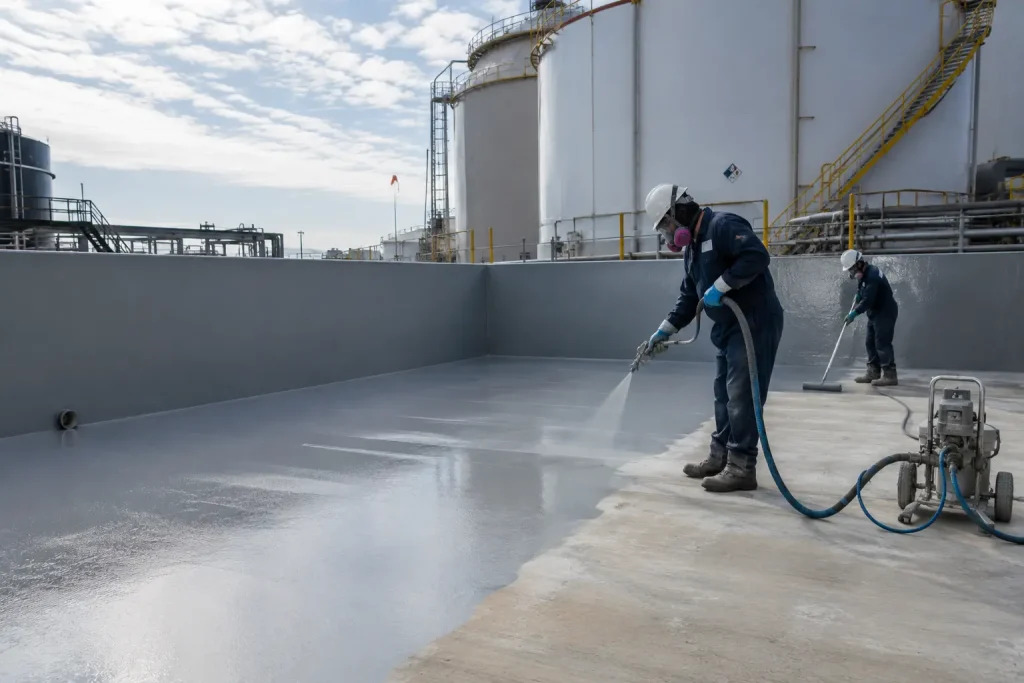
Industrial Tank Coating and Lining What Specifiers Need to Know Before the Job Starts (1)

Industrial Tank Coating and Lining: What Specifiers Need to Know Before the Job Starts

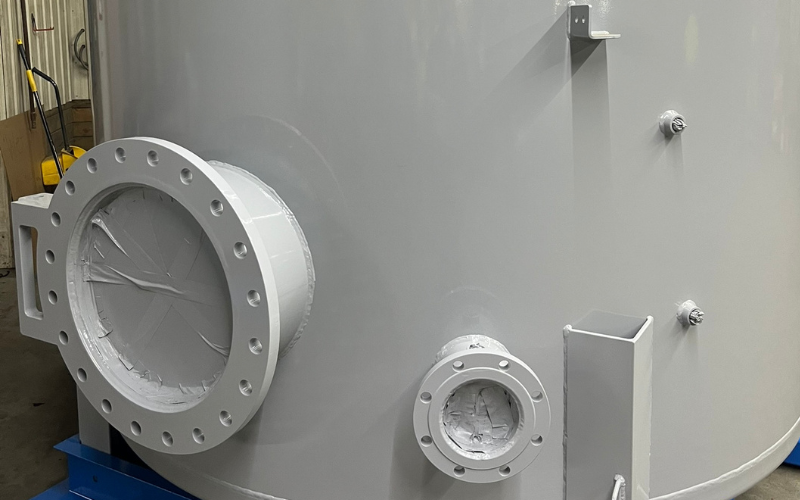
By the time a tank lining fails, the decisions that caused the failure were usually made months earlier. A coating that blisters, disbonds, or holidays out in its first year of service almost always traces back to something that was vague, missing, or wrong in the spec before the first blast pot was ever staged.

Industrial Tank Coating and Lining: What Specifiers Need to Know Before the Job Starts Read More »

secondary-containment

Secondary Containment Coating: Why Chemical Resistance Is Non-Negotiable

A secondary containment structure has one job, to hold what escapes when the primary vessel fails. A tank ruptures, a valve lets go, a drum tips over during a transfer, and the bund, dike, or pit underneath is supposed to catch every gallon before it reaches the soil, the storm drain, or the groundwater. Here

Secondary Containment Coating: Why Chemical Resistance Is Non-Negotiable Read More »

Soda-Blasting-Services

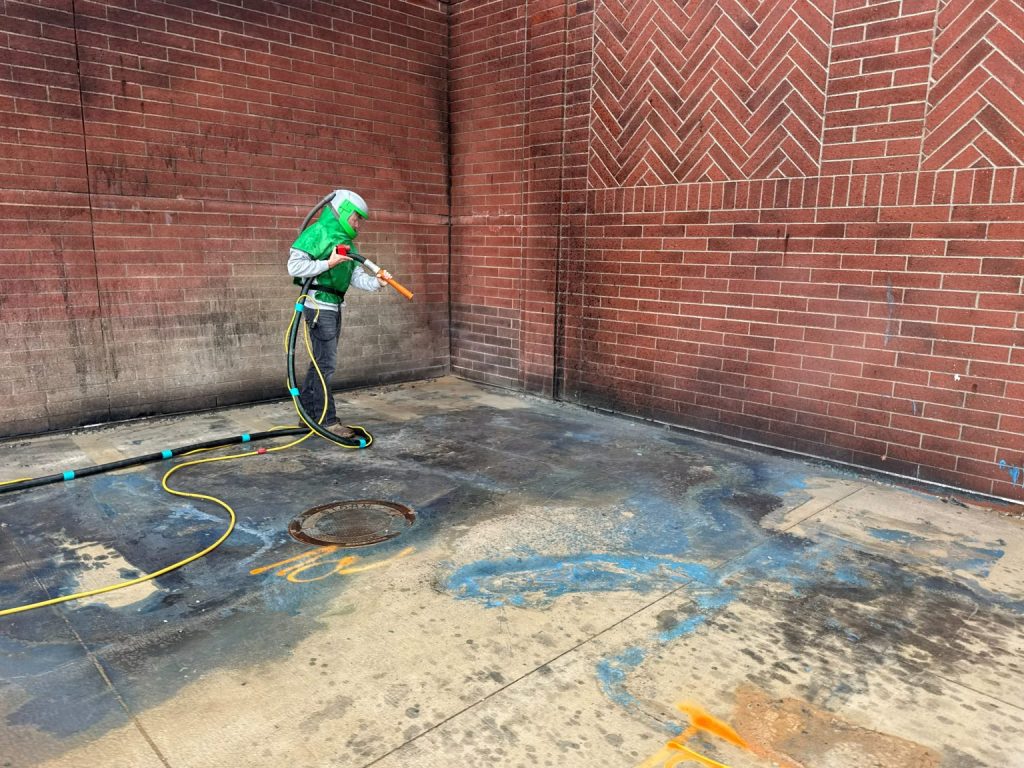
Soda Blasting for Historic Masonry: Cleaning Brick and Stone Without the Damage

Old brick and stone don’t get a second chance. Once an aggressive cleaning process eats into the face of a hundred-year-old façade, that surface is gone, and no amount of sealer or tuckpointing brings it back. That is the hard part of cleaning historic masonry: the paint, soot, and decades of grime you want removed

Soda Blasting for Historic Masonry: Cleaning Brick and Stone Without the Damage Read More »

Garnet vs. Steel Grit vs. Aluminum Oxide vs. Glass Bead

Garnet vs. Steel Grit vs. Aluminum Oxide vs. Glass Bead: How to Choose the Right Sandblasting Media

Abrasive media selection is one of the most consequential decisions in any industrial blasting project. The wrong media can warp thin substrates, embed contaminants, produce an anchor profile the coating manufacturer never specified, or drive project costs up through excessive consumption. The right media, matched to the substrate, the required surface preparation standard, and the

Garnet vs. Steel Grit vs. Aluminum Oxide vs. Glass Bead: How to Choose the Right Sandblasting Media Read More »