Structural Steel Surface Preparation and Metal Surface Treatment Services
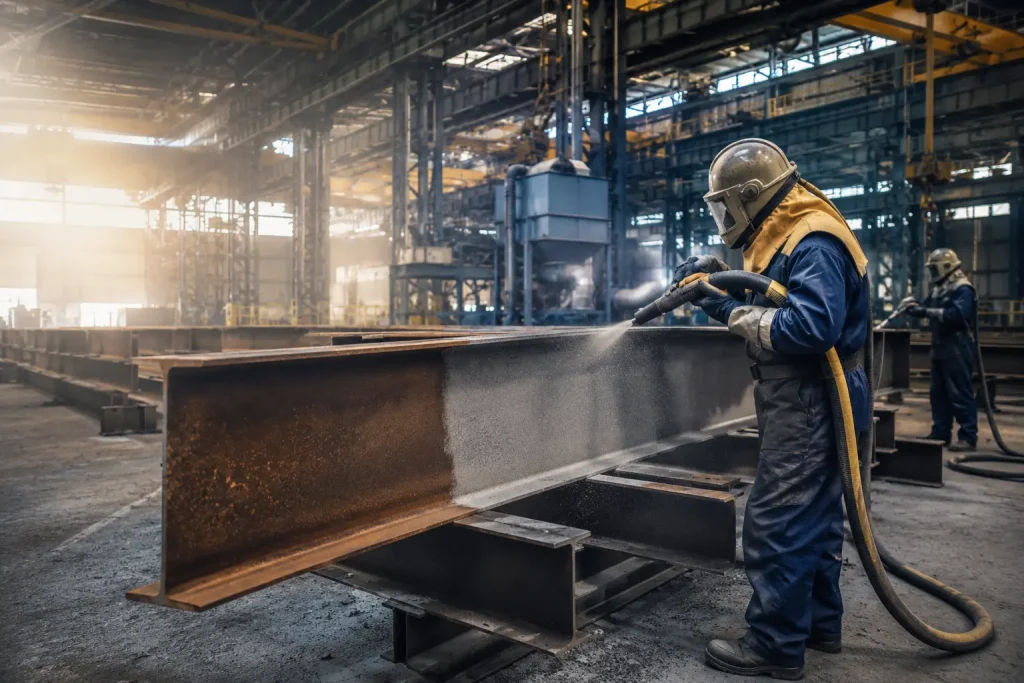 BlasTek is a premier provider of metal surface treatment, delivering the precision required for high-stakes structural steel preparation. We recognize that effective surface treatment goes beyond cleaning, it is a critical engineering process that uses advanced coating technologies to protect essential infrastructure for decades.
Through specialized industrial and steel surface treatment methods, BlasTek develops the optimal anchor profile for long-term coating adhesion. This approach prevents corrosion at its source and ensures structural steel performs reliably in the most demanding environments. Every project is executed in accordance with SSPC and NACE standards, carried out by certified technicians, and supported by comprehensive inspection documentation.
BlasTek is a premier provider of metal surface treatment, delivering the precision required for high-stakes structural steel preparation. We recognize that effective surface treatment goes beyond cleaning, it is a critical engineering process that uses advanced coating technologies to protect essential infrastructure for decades.
Through specialized industrial and steel surface treatment methods, BlasTek develops the optimal anchor profile for long-term coating adhesion. This approach prevents corrosion at its source and ensures structural steel performs reliably in the most demanding environments. Every project is executed in accordance with SSPC and NACE standards, carried out by certified technicians, and supported by comprehensive inspection documentation.
Why Structural Steel Surface Preparation Is the Most Critical Step
The coating system is only as effective as the surface it is applied to. Research consistently shows that inadequate surface preparation is responsible for the majority of premature coating failures regardless of coating quality, specification, or application technique. A coating applied over contaminated, poorly profiled, or insufficiently cleaned steel will fail at the interface, allowing corrosion to spread beneath the coating film. Proper structural steel surface preparation removes all contaminants including rust, mill scale, oil, old coating, chlorides, and surface salts and creates a surface profile (anchor pattern) with the correct depth and geometry to allow the coating system to mechanically interlock with the steel substrate. This mechanical and chemical bond is what gives industrial coatings their long service life. BlasTek’s surface preparation technicians understand the relationship between surface profile depth, coating thickness, and coating adhesion. We do not simply clean surfaces; we engineer them to meet the specific requirements of the coating system being applied.Surface Preparation Standards BlasTek Follows
BlasTek applies SSPC and NACE standards appropriate to each coating system and service environment:- SSPC-SP1 Solvent Cleaning for removal of soluble contaminants as a preparatory step
- SSPC-SP3 Power Tool Cleaning for removal of loose rust and coating in non-blast conditions
- NACE No. 4 / SSPC-SP7 Brush-Off Blast for encapsulation applications with loose material removal
- NACE No. 3 / SSPC-SP6 Commercial Blast for long-lasting atmospheric service coatings
- NACE No. 2 / SSPC-SP10 Near-White Metal Blast for immersion service and maximum protection environments
- NACE No. 1 / SSPC-SP5 White Metal Blast for the most demanding chemical and immersion service applications
Surface Profile Measurement and Inspection
Achieving the correct surface profile depth is essential for long-term coating performance. If the profile is too shallow, the coating cannot establish a strong mechanical bond. If it is too deep, peak structures can protrude through the coating film, leading to rust pinpoints that compromise the system from the start. BlasTek verifies surface preparation through a rigorous inspection process that includes surface profile measurement using Testex replica tape or digital profilometers, visual evaluation against SSPC VIS 1 standards, and contamination testing for soluble salts such as chlorides. During application, wet film thickness is continuously monitored to ensure the coating meets specified requirements and delivers the intended level of protection.Abrasive Media Selection for Steel Surface Treatment
BlasTek selects abrasive media based on the required profile depth, substrate condition, coating specification, and project environment:- Steel grit: Angular media producing a sharp anchor profile; ideal for epoxy and heavy-duty coating systems.
- Steel shot: Round media producing a peened profile; used for specific surface finishes and flexible coatings.
- Garnet: High-performance mineral abrasive with low dust, widely used for shop and field blast.
- Aluminum oxide: Hard, angular media for hard substrates and where angular profile is critical
- Glass bead: Round media for surface finishing and light cleaning of delicate substrates.
Surface Preparation for Non-Ferrous Metals
BlasTek provides surface preparation services for non-ferrous substrates including stainless steel, galvanized steel, aluminum, and copper alloys, following SSPC-SP16 and other applicable standards. Non-ferrous surface preparation requires careful media selection and blast parameter control to achieve the required profile without damaging the substrate or compromising its corrosion resistance properties.Request a Surface Preparation Assessment
Contact BlasTek to discuss your structural steel surface preparation requirements. Our certified team will review your coating specifications, evaluate your substrate condition, and recommend the right surface preparation approach. Call us at 616-243-7550 or fill out our contact form to get started.Frequently Asked Questions — Structural Steel Surface Preparation and Metal Surface Treatment
Why is surface preparation important before coating structural steel?
Proper surface preparation removes rust, mill scale, oil, dirt, and old coatings while creating the correct anchor profile for coating adhesion. This process is critical for preventing premature coating failure and ensuring long-term corrosion protection.
What surface preparation standards does BlasTek follow?
BlasTek follows industry-recognized SSPC, NACE, and AMPP standards for structural steel and metal surface preparation. The required preparation level is determined by the coating system, project specifications, and the operating environment of the asset.
Can BlasTek remove rust, mill scale, and existing coatings from metal surfaces?
Yes. BlasTek provides abrasive blasting and metal surface treatment services to remove corrosion, mill scale, old coatings, and contaminants from structural steel, fabricated metal, tanks, piping, and industrial equipment before protective coatings are applied.
How does BlasTek verify that a surface is ready for coating?
BlasTek inspects prepared surfaces by verifying cleanliness, measuring anchor profile depth, and checking for contaminants according to project requirements. Proper inspection ensures the surface meets coating manufacturer and industry specifications before application.