Aggressive, Angular Profiles for High-Performance Coating Adhesion
Grit blasting is an abrasive blast-cleaning process that propels angular media, most often steel grit, aluminum oxide, or garnet, at high velocity to strip rust, mill scale, and old coatings while cutting a sharp, angular anchor profile into the substrate. BlasTek delivers grit blasting to SSPC, NACE, and AMPP standards, in our West Michigan shops or on-site, matching media and profile to the coating system and service environment. The result is a clean, precisely profiled surface engineered for maximum coating adhesion. Call (616) 243-7550 to get started. Since 2013, BlasTek has provided specification-driven surface preparation for construction managers, asset owners, and fabricators across the Midwest. Grit blasting is one of our core surface-prep methods, chosen when a coating system demands an angular anchor pattern and a high degree of cleanliness, conditions common to structural steel, tanks, and heavy fabrications headed into demanding service. We don’t blast for appearance; we blast to specification, with in-house coatings inspectors verifying every surface before a coating goes on.What is Grit Blasting?
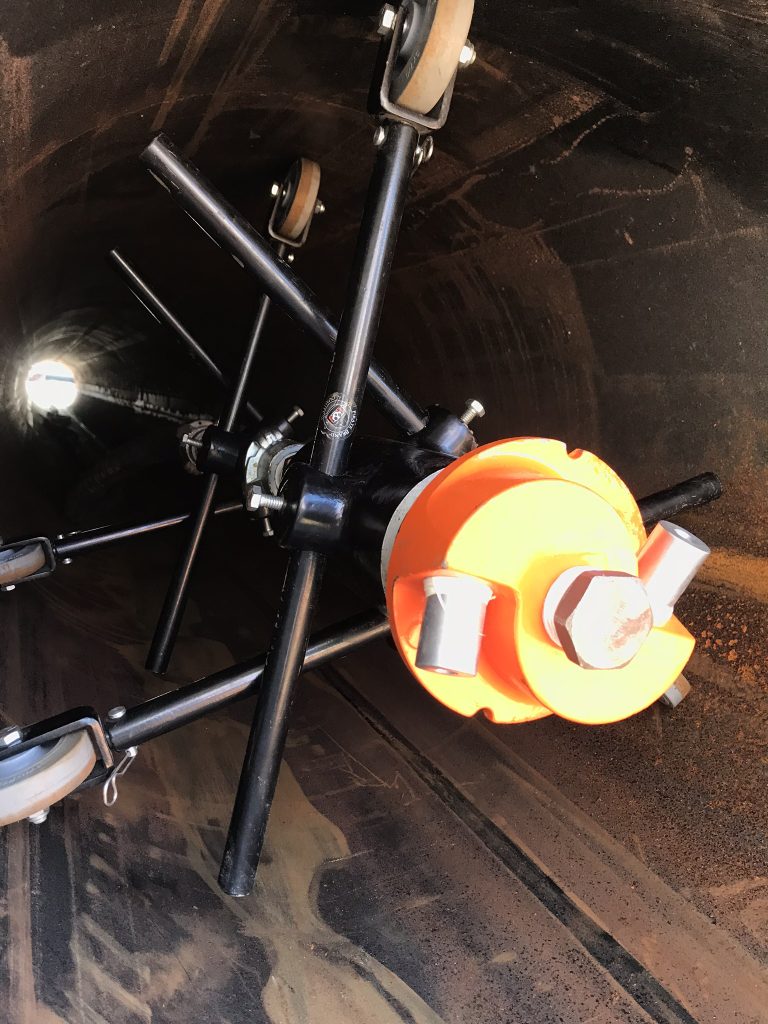 Grit blasting is a form of abrasive blast cleaning that uses hard, angular abrasive particles, rather than round shot, to simultaneously clean a surface and create a profile. As the angular grit strikes the substrate, it fractures and removes contaminants while cutting microscopic peaks and valleys into the metal. This “anchor profile” is what allows a protective coating to mechanically lock onto the surface for long-term performance.
The angular geometry of grit is the key distinction. Round media such as steel shot peens a surface and produces a rounded, dimpled profile, which is well suited to cleaning and stress relief. Angular grit, by contrast, cuts a sharper, more aggressive profile that increases surface area and coating grip, the reason grit blasting is specified ahead of high-performance coating and lining systems. BlasTek selects the media type and size to hit the exact profile depth the coating manufacturer requires, then verifies it with replica tape or a digital profilometer.
Because industry data consistently shows that 80% or more of coating failures trace back to inadequate surface preparation, grit blasting is not a cosmetic step. It is an engineered process that establishes the foundation for coating adhesion, corrosion resistance, and long-term asset protection.
Grit blasting is a form of abrasive blast cleaning that uses hard, angular abrasive particles, rather than round shot, to simultaneously clean a surface and create a profile. As the angular grit strikes the substrate, it fractures and removes contaminants while cutting microscopic peaks and valleys into the metal. This “anchor profile” is what allows a protective coating to mechanically lock onto the surface for long-term performance.
The angular geometry of grit is the key distinction. Round media such as steel shot peens a surface and produces a rounded, dimpled profile, which is well suited to cleaning and stress relief. Angular grit, by contrast, cuts a sharper, more aggressive profile that increases surface area and coating grip, the reason grit blasting is specified ahead of high-performance coating and lining systems. BlasTek selects the media type and size to hit the exact profile depth the coating manufacturer requires, then verifies it with replica tape or a digital profilometer.
Because industry data consistently shows that 80% or more of coating failures trace back to inadequate surface preparation, grit blasting is not a cosmetic step. It is an engineered process that establishes the foundation for coating adhesion, corrosion resistance, and long-term asset protection.
Grit Blasting Media & Profiles
BlasTek matches the abrasive to the substrate, the required profile, and the coating specification, never a one-size-fits-all approach:- Steel grit — Angular, recyclable, and aggressive; ideal for heavy rust and mill-scale removal on steel and for cutting deep, sharp profiles in shop settings with recovery systems.
- Aluminum oxide — Extremely hard and angular; used where a fast-cutting, contamination-free profile is needed, including on harder alloys.
- Garnet — A versatile, lower-dust angular natural abrasive well suited to field work and a wide range of profile requirements.
- Crushed glass & specialty grits — Selected for specific substrate, cleanliness, and disposal considerations.
SSPC & NACE Standards for Grit Blasting
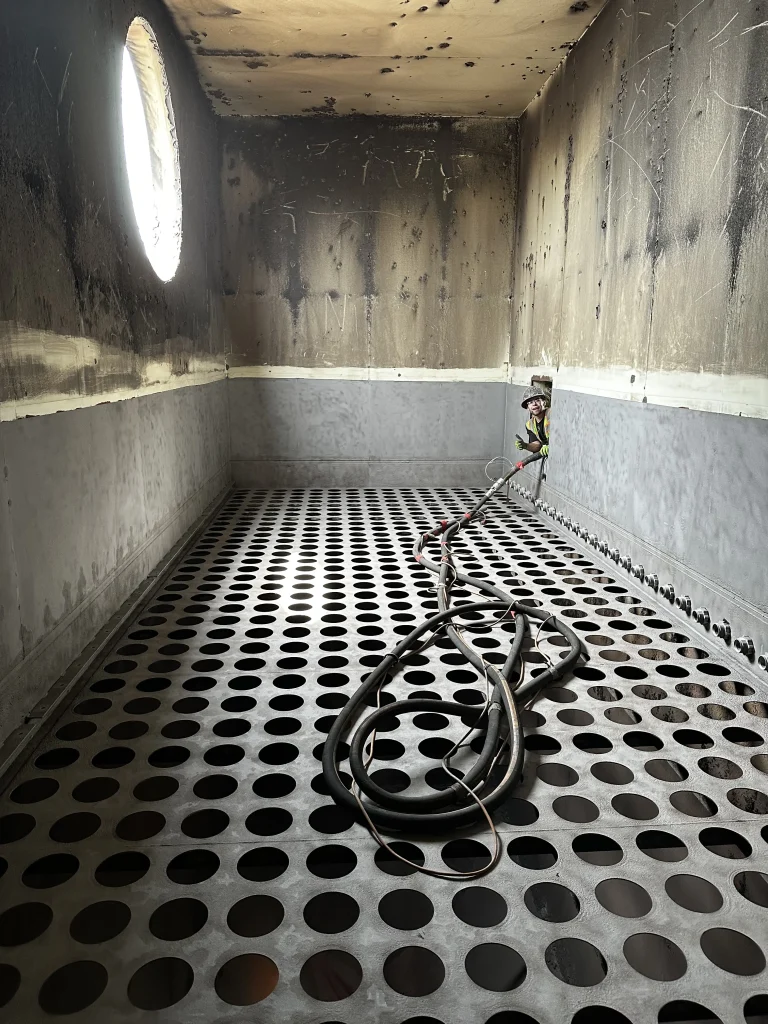 Grit blasting is executed to the surface-preparation standard dictated by the coating system and service environment:
NACE No. 1 / SSPC-SP5 — White Metal Blast
The highest achievable cleanliness, required for immersion service, aggressive chemical exposure, and high-performance systems where maximum adhesion is critical.NACE No. 2 / SSPC-SP10 — Near-White Metal Blast
Permits limited staining; specified for severe service such as tanks, vessels, and water/wastewater infrastructure.NACE No. 3 / SSPC-SP6 — Commercial Blast
Removes all visible oil, rust, mill scale, and coatings with limited staining allowed; a workhorse standard for atmospheric service.NACE No. 4 / SSPC-SP7 — Brush-Off Blast
Removes loose material while leaving tightly adherent coating intact, economical prep for overcoating or encapsulation.Grit Blasting Applications
- Structural steel — Beams, columns, trusses, and framing for new construction and rehabilitation
- Storage tanks & vessels — Interior and exterior prep ahead of linings and protective coatings
- Piping, weldments & fabricated assemblies — Shop blast cleaning to spec before coating and shipment
- Heavy equipment & machinery — Restoration and recoating of process equipment and components
- Bridges & elevated structures — Corrosion removal and recoating preparation
- Secondary containment — Concrete and steel prep for seamless liner systems
Shop Grit Blasting vs. Field Grit Blasting
Shop Grit Blasting — Our Shelbyville & Grand Rapids Facilities
When components can be transported, our shops offer a fully controlled environment with advanced material handling (20,000 lb lifting capacity), contained and recycled media, and straightforward inspection which is ideal for structural steel, tanks, pipe spools, and high-volume finishing runs.Field Grit Blasting — On-Site at Your Facility
For immovable assets, BlasTek deploys portable blast pots, compressors, media, and engineered containment directly to your site, integrating dust suppression and environmental compliance while holding the same profile and cleanliness standards as our shop work.Request a Grit Blasting Assessment
Contact BlasTek to schedule an assessment for your grit blasting project. Our team will evaluate your substrate condition, recommend the correct media and SSPC/NACE standard, and provide a detailed estimate. Call 616-243-7550 or fill out our contact form to get started.Frequently Asked Questions — Grit Blasting
What is the difference between grit blasting and shot blasting?
Grit blasting uses angular media (such as steel grit) that cuts a sharp, angular anchor profile ideal for coating adhesion. Shot blasting uses round media (steel shot) that peens the surface and leaves a rounded, dimpled profile better suited to cleaning and stress relief. The right choice depends on the coating system and the profile it requires.
Is grit blasting the same as sandblasting?
Grit blasting is a type of abrasive blast cleaning, the same family as what people call “sandblasting.” The key difference is media: modern grit blasting uses engineered angular abrasives like steel grit, aluminum oxide, or garnet rather than silica sand, which is avoided due to silicosis risk.
What surface profile does grit blasting produce?
Grit blasting produces an angular anchor profile whose depth is selected to match the coating manufacturer’s specification, commonly measured in mils. BlasTek verifies the profile with replica tape or a digital profilometer to confirm it falls within the coating system’s required range.
Which grit media does BlasTek use?
We select from steel grit, aluminum oxide, garnet, crushed glass, and specialty abrasives based on the substrate, the required profile, cleanliness standard, and environmental or disposal considerations, matched to each project rather than applied uniformly.
Can grit blasting be done on-site?
Yes. BlasTek performs field grit blasting on immovable assets using portable equipment and engineered containment, holding the same profile and cleanliness standards as our controlled shop environment.
How do you verify grit blasting meets specification?
Our in-house coatings inspectors evaluate surface cleanliness against SSPC VIS standards, measure anchor profile with Testex replica tape or digital profilometers, and test for soluble salts such as chlorides, then monitor wet film thickness during the coating stage.